

Pediatric Occupational Therapy for Sensory and Motor Challenges
Daily tasks should not feel like constant obstacles. Occupational therapy helps children build the physical, sensory, and emotional skills they need to participate more comfortably in everyday life.
At The TEACH Group, occupational therapy focuses on helping children move, learn, and engage with greater ease, confidence, and independence.
Is your child struggling with organization, focus, and memory? Download our 10 activities to improve executive functioning and see your child thrive in school and at home!
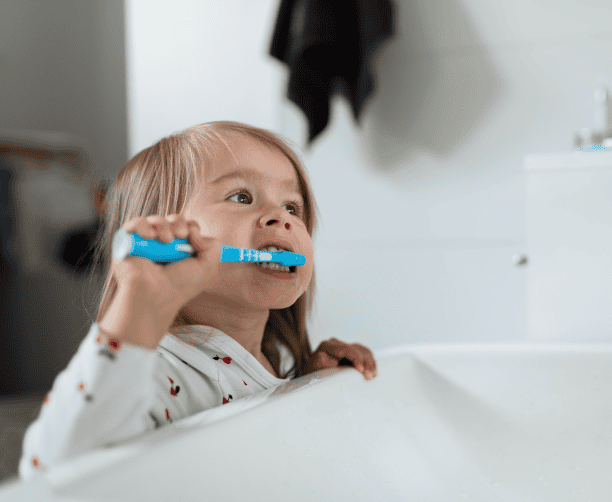
Is Your Child Struggling With Daily Tasks?
For children with sensory and motor challenges, every day can feel like a challenge. They struggle to handle the basics while their peers leap and run ahead. Have you seen these situations?
- Your child struggles to get dressed or use utensils on their own
- Noises, textures, or sudden movement cause unexpected meltdowns.
- Writing, cutting, or other fine motor skills are difficult or not possible for your child.
- Moving between activities or locations causes tantrums and explosions.
If this sounds like your child, you know how difficult daily life can be with sensory and motor issues. These challenges can affect learning, confidence, and participation at home, school, and in social settings. As a parent, you’re left wondering how to support your child.
The TEACH Group is here to help.
Pediatric Occupational Therapy Builds Skills for Real Life
Pediatric occupational therapy helps children overcome sensory and motor challenges. At The TEACH Group, we specialize in guiding children to develop the skills they need to operate in every environment.
Our therapists assess how sensory processing, motor coordination, visual skills, and daily living abilities work together. Occupational therapy then targets the areas that will help children function more comfortably and confidently in real life situations.
Every intervention is thoughtful, structured, and responsive to each child’s needs, with a focus on progress that carries over beyond the therapy room. Ready to see your child thrive? Schedule your evaluation today.
Is your child struggling with organization, focus, and memory? Download our 10 activities to improve executive functioning and see your child thrive in school and at home!


Your Simple Pediatric Therapy Plan
Getting started does not have to feel overwhelming. We follow a clear and supportive process so you know exactly what to expect in your child’s journey.
01
Schedule an Evaluation
No pediatric therapy plan is one size fits all. We start by understanding your child’s unique strengths, challenges, and needs.
02
Create a Personalized Plan
Once we understand your child and family, we’ll help you build a customized therapy plan that meets your goals.
03
See Your Child Thrive
Through pediatric therapy, we help you meet your goals and give you the support you need. You’ll see your child thrive like never before.
How Our Pediatric Occupational Therapy Works

Sensory Integration Therapy
Sensory integration therapy helps children better process and respond to sensory input such as touch, movement, sound, and visual information.
Therapy introduces sensory experiences in supportive ways to help children improve regulation, comfort, and engagement. Over time, children learn strategies to manage sensory input and find balance within their environment.
Therapeutic Listening
Therapeutic listening supports how the brain processes sound and movement.
This approach uses specially designed music and headphones to provide auditory input that can support regulation, attention, posture, communication, and motor skills. Programs are individualized and may be supported across clinic, home, or school settings under professional guidance.
Astronaut Training
Astronaut Training focuses on the connection between the vestibular, visual, and auditory systems.
Through structured movement, sound, and visual activities, this program supports spatial awareness, coordination, and engagement. These systems play a key role in how children move, focus, and interact with the world around them.
Wilbarger Brushing Protocol
The Wilbarger Brushing Protocol supports children with tactile defensiveness and sensory sensitivity.
This individualized approach uses deep pressure input and joint compressions to help the nervous system process touch more accurately. Therapy focuses on reducing sensory avoidance and supporting comfort with daily tactile experiences such as clothing, grooming, and play.


Handwriting Without Tears
Handwriting Without Tears is a structured, multisensory approach to writing.
Therapy supports letter formation, legibility, sizing, and writing stamina using developmentally appropriate instruction. Skills are built gradually to support confidence in written communication and academic tasks. Keyboarding instruction may also be incorporated when appropriate.
Zones of Regulation
The Zones of Regulation supports emotional awareness and self regulation.
Children learn to recognize different emotional and energy states and practice strategies to manage them effectively. The program provides a shared language that helps children and caregivers understand emotions without judgment, supporting regulation across environments.
Alert Program: How Does Your Engine Run?
The Alert Program helps children understand and manage their level of alertness.
Using a simple engine analogy, children learn to notice when their energy level is too high, too low, or just right. Therapy incorporates movement and sensory strategies to help children adjust their state to meet daily demands.
Bal-A-Vis-X
Bal-A-Vis-X focuses on coordination, rhythm, and integration of movement and attention.
Through structured exercises using balance, visual tracking, and auditory input, children practice full body coordination and focus. Activities are designed to gradually increase complexity while supporting attention and impulse control.


Visual Perception and Visual Motor Integration
Visual perception and visual motor integration affect how children interpret and respond to visual information.
Therapy supports skills such as visual discrimination, spatial awareness, memory, and coordination between vision and hand movements. These skills are important for daily tasks, learning, and academic performance.
Fine Motor Skill Development
Fine motor skills support tasks that require hand strength, coordination, and precision.
Therapy targets skills such as writing, cutting, dressing, using utensils, and manipulating small objects. Strengthening these abilities supports independence, participation, and confidence in daily activities.
Activities of Daily Living
Occupational therapy supports essential self care skills.
These may include dressing, eating, grooming, hygiene, and toileting. Therapy focuses on helping children develop independence through adaptive strategies, skill building, and supportive routines.
Reflex Integration
Reflex integration addresses retained primitive reflexes that can interfere with development.
When reflexes persist beyond early development, they can affect movement, sensory processing, learning, and regulation. Therapy supports neurological organization by addressing these reflex patterns through structured activities and movement based strategies.

Is your child struggling with organization, focus, and memory? Download our 10 activities to improve executive functioning and see your child thrive in school and at home!
Helpful Resources for Families
Building life skills requires support outside of therapy sessions. Many families benefit from additional guidance, tools, and practical strategies they can explore at their own pace.
Our resources page offers parent friendly information, helpful tips, and curated materials designed to support learning, organization, emotional regulation, and daily routines. These resources are intended to complement therapy and help families feel confident supporting progress at home and in everyday life.
Visit our resources page to explore tools and guidance that can support your child’s growth.

Take the Next Step Toward Everyday Independence
Occupational therapy at The TEACH Group is designed to support meaningful progress across daily life.
By addressing sensory processing, motor coordination, visual skills, and self care abilities together, therapy helps children participate more fully and confidently in the world around them. Schedule an evaluation today and begin supporting your child’s growth, confidence, and independence.
Is your child struggling with organization, focus, and memory? Download our 10 activities to improve executive functioning and see your child thrive in school and at home!
Pediatric Therapy Designed to Support Growth
At The TEACH Group, we help children build skills step by step using evidence based pediatric therapies tailored to their needs.
Our services work together to support the whole child.

ABA Therapy
Applied behavior analysis helps children build communication, behavior, and social skills in supportive and structured ways.

Diagnostic Assessments
Our assessments provide clear insights to your child’s condition, guide therapy planning, and help you understand next steps.

Executive Functioning Program
This program helps children improve focus, organization, emotional control, and school readiness skills.

Occupational Therapy
Pediatric occupational therapy helps children develop sensory integration, fine motor skills, and daily living abilities.

Parent Coaching and Training
We support parents with practical strategies that fit their real life and daily routines.

Speech Language Therapy
Speech therapy supports language development, speech sound disorders, and social communication skills.

Summer Camps
Our Knoxville summer camps combine fun and therapy support in a structured, child friendly environment.
What Parents Are Saying
Hear from parents about their experience with pediatric therapy at The TEACH Group.
You Do Not Have to Navigate This Alone
If you are concerned about your child’s development, help is available. With the right pediatric therapy services, children can grow, learn, and thrive. Don’t continue to struggle alone and without support.
Schedule your child’s evaluation today to see how The TEACH Group can help with behavioral, cognitive, and social development.